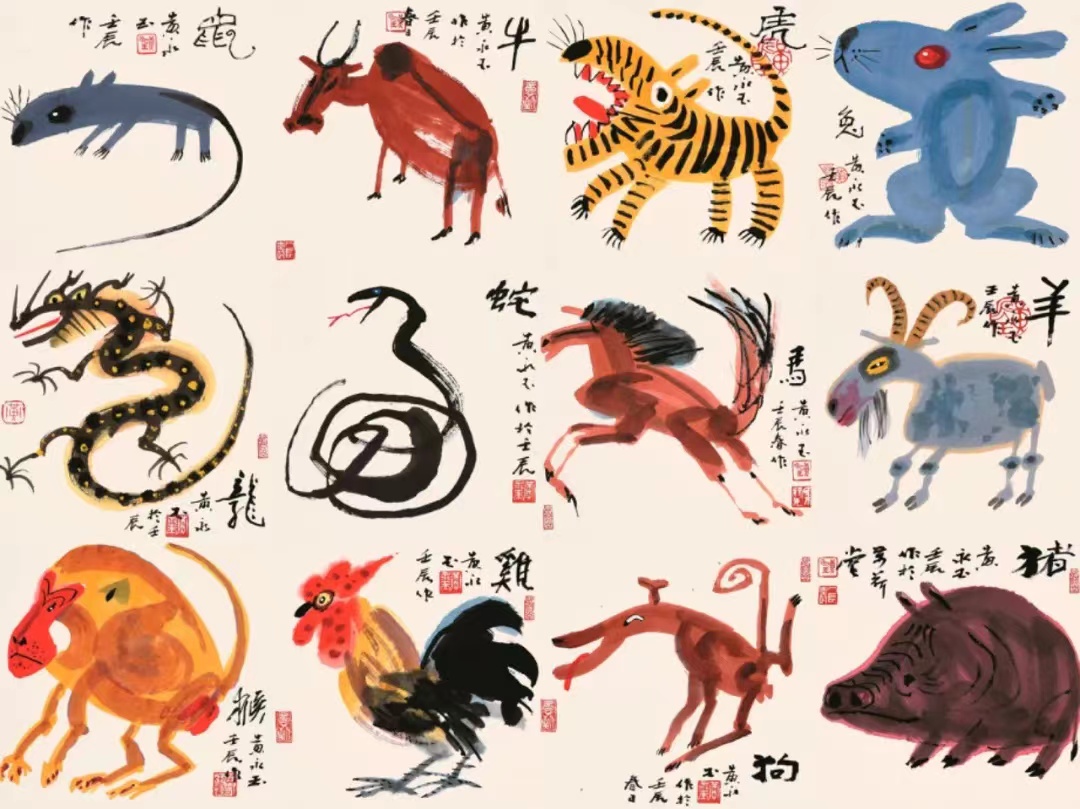
Chinese Zodiac
Introduction
The Chinese Zodiac, also known as "Shengxiao" or "Shuxiang," is a classification scheme rooted deeply in traditional Chinese culture. It is a repeating cycle of twelve years, with each year corresponding to a specific animal. These animals, known as the zodiac animals, include the Rat, Ox, Tiger, Rabbit, Dragon, Snake, Horse, Goat, Monkey, Rooster, Dog, and Pig. The concept of the Chinese Zodiac is derived from the ancient calendar system of "Dizhi" (Earthly Branches), which, alongside "Tiangan" (Heavenly Stems), forms a sexagenary cycle that has been used to measure years. The twelve animals serve not just as markers of time, but as symbols representing various personality traits and aspects of human life. This system has permeated Chinese folk culture, providing a framework through which people interpret their lives and the world around them.
History
The origins of the Chinese Zodiac are steeped in the mists of time, reflecting the ancient Chinese people's perception of the universe. Each animal corresponds to a year in the twelve-year cycle, creating a system that is both astrological and anthropomorphic. The linkage of animals to years is believed to have been established through ancient mythology and folklore, including a legendary race organized by the Jade Emperor to determine the order of the zodiac signs. Over centuries, the Chinese Zodiac has evolved into a cultural institution, influencing numerous aspects of life, such as marriage, fortune-telling, and astrology. It has also extended beyond China, with variations existing in other East Asian countries like Japan, Korea, and Vietnam, which have adapted the zodiac to fit their cultural contexts.
The Twelve Animals
Rat
The Rat is the first animal in the Chinese Zodiac cycle, and it is often associated with qualities such as intelligence, adaptability, and resourcefulness. According to legend, the Rat secured its position as the first zodiac sign by outsmarting the other animals during the Jade Emperor's race. People born in the Year of the Rat are believed to possess a quick wit and a sharp mind, making them excellent problem solvers. They are often perceived as charming and sociable, with an ability to fit into various social situations with ease. However, they can also be seen as overly cautious and somewhat stubborn, traits that are reflected in the complex and cunning nature attributed to rats in Chinese folklore.
Ox
The Ox, known for its strength, reliability, and diligence, is the second animal in the Chinese Zodiac. The Ox's steady and methodical nature symbolizes hard work and perseverance. Individuals born under the Year of the Ox are often seen as dependable and strong-willed, with a calm demeanor and a strong sense of responsibility. In Chinese culture, the Ox holds an esteemed place due to its crucial role in agriculture, embodying virtues of patience and determination. Despite their quiet exterior, Oxen are known for their strong opinions and a tendency to be stubborn, often preferring to follow their own path rather than rely on others.
Tiger
The Tiger is the third sign in the Chinese Zodiac and is often associated with power, courage, and ambition. Tigers are revered in Chinese culture as the king of animals, embodying a fierce and authoritative presence. People born in the Year of the Tiger are believed to be charismatic and fearless, possessing a natural leadership ability. In historical contexts, tigers have been depicted as protective spirits and symbols of bravery and strength, with their images appearing in art and folklore. However, Tigers can also be impulsive and unpredictable, characteristics that mirror their wild and untamed nature in the animal kingdom.
Rabbit
The Rabbit, the fourth animal in the Chinese Zodiac, is linked with traits such as gentleness, elegance, and good luck. Rabbits are considered to be calm and peaceful creatures, and those born under this sign are often seen as compassionate and diplomatic, with a keen sense of intuition. The Rabbit is seen as a symbol of longevity and prosperity, with positive connotations of beauty and grace. In mythology, the Rabbit is often associated with the Moon, believed to be a companion to the Moon Goddess, Chang'e. Despite their docile nature, Rabbits can also be perceived as shy and overly cautious, sometimes hesitating to take risks.
Dragon
The Dragon is the fifth sign in the Chinese Zodiac and is perhaps the most revered of all the zodiac animals. Representing strength, vitality, and auspiciousness, the Dragon is seen as a powerful and benevolent creature in Chinese mythology. Individuals born in the Year of the Dragon are thought to be confident, charismatic, and full of enthusiasm. Dragons are often depicted as symbols of imperial power and authority, believed to bring good fortune and success. Despite their larger-than-life presence, Dragons can also be perceived as ambitious and demanding, sometimes exhibiting a tendency for arrogance and a desire for control.
Snake
The Snake, the sixth animal in the Chinese Zodiac, is associated with wisdom, intuition, and elegance. Snakes are considered mysterious creatures, often embodying a sense of enigma and depth. People born under the Year of the Snake are believed to be insightful and analytical, with a talent for strategy and a love for the finer things in life. In Chinese folklore, the Snake is often seen as a symbol of transformation and rebirth. However, Snakes can also be perceived as secretive and suspicious, sometimes exhibiting a tendency towards jealousy or possessiveness.
Horse
The Horse is the seventh sign in the Chinese Zodiac and is known for its energy, independence, and freedom-loving nature. Horses are admired for their spirited and outgoing personality, often associated with adventure and exploration. Individuals born in the Year of the Horse are seen as lively and enthusiastic, with a natural ability to inspire others. The Horse symbolizes movement and progress, embodying a spirit of pursuit and determination. Despite their infectious energy, Horses can also be perceived as impulsive and restless, sometimes struggling with a need for constant change and excitement.
Goat
The Goat, also known as the Sheep, is the eighth animal in the Chinese Zodiac and is linked to qualities such as gentleness, creativity, and tranquility. Goats are considered to be mild-mannered and artistic, often associated with a sense of harmony and balance. People born in the Year of the Goat are thought to be compassionate and empathetic, with a strong affinity for beauty and nature. The Goat is seen as a symbol of peace and prosperity, embodying virtues of kindness and generosity. However, Goats can also be perceived as indecisive and overly dependent, sometimes exhibiting a tendency to avoid conflict and seek comfort.
Monkey
The Monkey is the ninth sign in the Chinese Zodiac and is associated with intelligence, curiosity, and playfulness. Monkeys are admired for their quick wit and cleverness, often embodying a mischievous and lively spirit. Individuals born in the Year of the Monkey are seen as innovative and resourceful, with a natural ability to solve problems and adapt to new situations. The Monkey symbolizes creativity and flexibility, often associated with a sense of humor and a love for fun. Despite their charm, Monkeys can also be perceived as unpredictable and cunning, sometimes exhibiting a tendency to manipulate situations to their advantage.
Rooster
The Rooster, the tenth animal in the Chinese Zodiac, is linked to qualities such as confidence, punctuality, and integrity. Roosters are admired for their hardworking and meticulous nature, often associated with a sense of duty and responsibility. People born in the Year of the Rooster are thought to be honest and straightforward, with a strong sense of self-discipline and organization. The Rooster symbolizes vigilance and clarity, embodying virtues of courage and perseverance. However, Roosters can also be perceived as outspoken and critical, sometimes exhibiting a tendency towards arrogance or attention-seeking behavior.
Dog
The Dog is the eleventh sign in the Chinese Zodiac and is associated with loyalty, honesty, and reliability. Dogs are seen as faithful and protective companions, often embodying a sense of duty and commitment. Individuals born in the Year of the Dog are believed to be sincere and trustworthy, with a strong sense of justice and fairness. The Dog symbolizes friendship and protection, often associated with a spirit of altruism and selflessness. Despite their loyal nature, Dogs can also be perceived as anxious and stubborn, sometimes exhibiting a tendency towards pessimism or suspicion.
Pig
The Pig, the twelfth and final animal in the Chinese Zodiac, is linked to qualities such as generosity, sincerity, and compassion. Pigs are considered to be warm-hearted and indulgent creatures, often associated with a sense of abundance and prosperity. People born in the Year of the Pig are thought to be kind and tolerant, with a love for life’s pleasures and comforts. The Pig symbolizes wealth and success, embodying virtues of patience and tolerance. However, Pigs can also be perceived as naive and materialistic, sometimes exhibiting a tendency towards overindulgence or complacency.
Cultural Significance
The Chinese Zodiac holds profound cultural significance, influencing various aspects of life in China and beyond. It provides a framework for understanding personality traits and compatibility in relationships, with people often referring to their zodiac sign to gain insights into their character and future. The zodiac is deeply intertwined with festivals and celebrations, such as the Chinese New Year, where each year is associated with a different animal, bringing a unique set of beliefs and traditions. The zodiac animals are also prevalent in art, literature, and folklore, serving as symbols of cultural identity and heritage.
Chinese Zodiac in Astrology
In astrology, the Chinese Zodiac offers a unique perspective on the cosmos and human behavior. Each zodiac sign is associated with one of the five elements—Wood, Fire, Earth, Metal, and Water—which further influence personality traits and life paths. The zodiac is used in various forms of divination and fortune-telling, with practitioners combining animal signs, elements, and other celestial factors to provide guidance and predictions. The Chinese Zodiac is seen as a tool for self-discovery and personal growth, offering insights into strengths, weaknesses, and potential life challenges.
Influence on Popular Culture
The influence of the Chinese Zodiac extends beyond traditional culture, permeating popular culture worldwide. It has inspired numerous artistic and creative expressions, from zodiac-themed fashion and jewelry to literature, film, and animation. The zodiac animals are often used as motifs in branding and marketing, symbolizing traits that resonate with consumers. The Chinese Zodiac has also gained popularity in global astrology and horoscope practices, attracting a diverse audience fascinated by its unique blend of mythology and cosmic insight. Through its enduring presence, the Chinese Zodiac continues to bridge cultural gaps and inspire curiosity across the globe.








